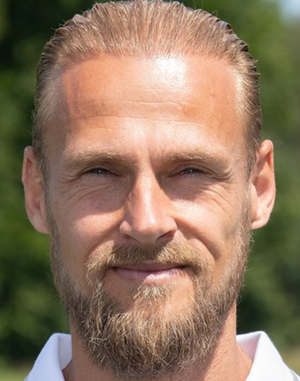
News Flash: Marco Knoop Sends a Very Strong Warning Message to Fans Who Told Him to “Go Die
The football world was left stunned this week after Dutch football figure publicly addressed a wave of shocking online abuse directed at him by angry fans. What began as criticism on social media quickly escalated into something far darker, with several individuals allegedly sending hateful messages telling him to “go die.”
Now, Marco Knoop has broken his silence — and his response has sent shockwaves across the football community.
In an emotional and fiery statement released late Tuesday evening, Knoop made it clear that he would no longer tolerate personal attacks, threats, or toxic behavior disguised as “fan passion.” His warning was direct, powerful, and impossible to ignore.
According to sources close to the situation, the controversy began after a difficult period surrounding football-related decisions and public criticism online. While frustration among supporters is common in modern football, the line between criticism and abuse appears to have been crossed in dramatic fashion.
For days, social media platforms were flooded with negative comments aimed at Knoop. Some criticized his opinions and public appearances, while others allegedly went much further, posting deeply offensive messages that targeted him personally.
But it was one specific phrase repeated by multiple accounts — “go die” — that reportedly pushed the situation to a breaking point.
Friends close to Knoop say the messages affected him deeply. While public figures often develop thick skin due to constant criticism, death wishes and targeted harassment create a completely different emotional burden.
Late Tuesday, Knoop finally responded.
And he did not hold back.
In a strongly worded message shared online, Marco Knoop condemned the abuse and warned that the growing culture of hatred among certain supporters is destroying the spirit of football itself.
He reportedly wrote:
“You can disagree with me. You can criticize me. But telling another human being to die says more about you than it does about me.”
The statement immediately exploded online.
Within minutes, supporters, journalists, former players, and football personalities began reacting to the emotional message. Many praised Knoop for speaking out publicly instead of remaining silent.
Others admitted that football culture has become increasingly toxic in recent years, especially on social media platforms where anonymity allows users to attack people without consequences.
Knoop’s statement continued with an even stronger warning aimed directly at abusive fans.
“The internet is not a place where humanity disappears. People who send threats and death wishes should understand there are consequences for crossing the line.”
That sentence immediately became the center of attention across Dutch football discussions online.
Some interpreted the warning as a sign that legal action could potentially follow against individuals responsible for the messages. Others viewed it as a broader statement about accountability and respect in football culture.
Regardless of interpretation, one thing became very clear:
Marco Knoop had reached his limit.
The emotional reaction from supporters was divided almost instantly.
Many fans rallied behind him, arguing that no disagreement in football should ever become personal harassment. They pointed out that criticism of performances, tactics, or decisions is normal, but attacking someone’s mental health or wishing death upon them crosses every possible line.
One supporter wrote online:
“Football is supposed to unite people. If you tell someone to die over football, you are the problem.”
Another posted:
“Marco Knoop is right. This abuse culture has become disgusting.”
However, not everyone backed the statement.
A smaller group accused Knoop of overreacting, claiming public figures should expect criticism. But even among critics, many admitted that death threats and hateful messages are impossible to justify.
The controversy has also reopened wider conversations about online abuse in sports.
Across Europe, athletes, coaches, referees, pundits, and football executives have increasingly spoken out about the mental impact of constant harassment online. From racist abuse to personal threats, social media has created an environment where emotions often spiral out of control after matches, transfers, interviews, or controversial decisions.
Several football organizations have already launched campaigns encouraging respect and responsible online behavior. Yet incidents continue happening at an alarming rate.
For Marco Knoop, this situation appears deeply personal.
People close to him say he was shocked by the intensity of the messages and disappointed that football discussions could become so hateful. While he has dealt with criticism before, this latest wave reportedly crossed emotional boundaries that no individual should have to endure.
Mental health experts have repeatedly warned about the long-term impact of online abuse on public figures. Constant negativity, threats, and harassment can contribute to anxiety, stress, emotional exhaustion, and isolation.
The pressure becomes even greater in football, where emotions run high and reactions from supporters can change instantly depending on results or opinions.
Former players have also entered the conversation.
Several retired footballers defended Knoop publicly, explaining that abuse from fans can leave lasting emotional scars even years later.
One former Dutch player stated during a television discussion:
“People think words online don’t matter. They absolutely matter. Behind every screen is a real person.”
That message has now become central to the debate surrounding the controversy.
Meanwhile, social media platforms themselves are once again facing criticism over how they handle abusive content. Many fans questioned why threatening messages remain visible for hours — or even days — before action is taken.
Some supporters are now calling for stronger punishments against accounts that send threats or hateful messages to football personalities.
Others believe clubs, media organizations, and football associations must do more to educate younger supporters about responsible online behavior.
The incident involving Marco Knoop may ultimately become part of a much larger conversation about the future of fan culture in modern football.
Passion has always been one of the sport’s defining characteristics. Fans celebrate victories with emotion and react painfully to disappointment. But many now fear that the rise of anonymous online spaces has transformed some supporters from passionate fans into aggressive online attackers.
Knoop’s statement appears to reflect exactly that concern.
According to insiders, he has received thousands of supportive messages since speaking out publicly. Many fans thanked him for addressing an issue that countless football figures experience silently every day.
Others shared their own experiences with cyberbullying and harassment, explaining that public abuse can have devastating emotional effects regardless of fame or status.
The story has now spread far beyond Dutch football circles.
International football fans have joined the discussion, with many agreeing that abuse in sports has reached dangerous levels globally. From the Premier League to the Eredivisie, from national teams to local clubs, online toxicity has become one of football’s biggest modern challenges.
Despite the controversy, Marco Knoop reportedly has no intention of stepping away from public life or football discussions.
Instead, sources say he wants his message to serve as a wake-up call.
Not just for abusive fans — but for everyone involved in football culture.
Because at the center of the storm is a very simple point:
Criticism is part of sports.
Hatred should never be.
As reactions continue pouring in, the football community now faces an uncomfortable but necessary conversation about respect, accountability, and the growing impact of online abuse.
And whether supporters agree with Marco Knoop or not, his warning has ensured that the issue can no longer be ignored.
One thing is certain:
This story is far from over.
Leave a Reply